
Hypertension, Blood Flow, and Grounding

This topic is deeply personal to me. Hypertension runs in my family, and I began dealing with it myself at the age of twenty. Over the years, I have significantly improved it through grounding.
Hypertension remains one of the most common and damaging chronic conditions worldwide. Elevated blood pressure is tightly linked to cardiovascular risk, stroke, and early mortality. While often framed as a purely vascular or neural problem, blood pressure is inseparable from blood rheology, especially blood viscosity, which we discussed in the last article regarding zeta potential.

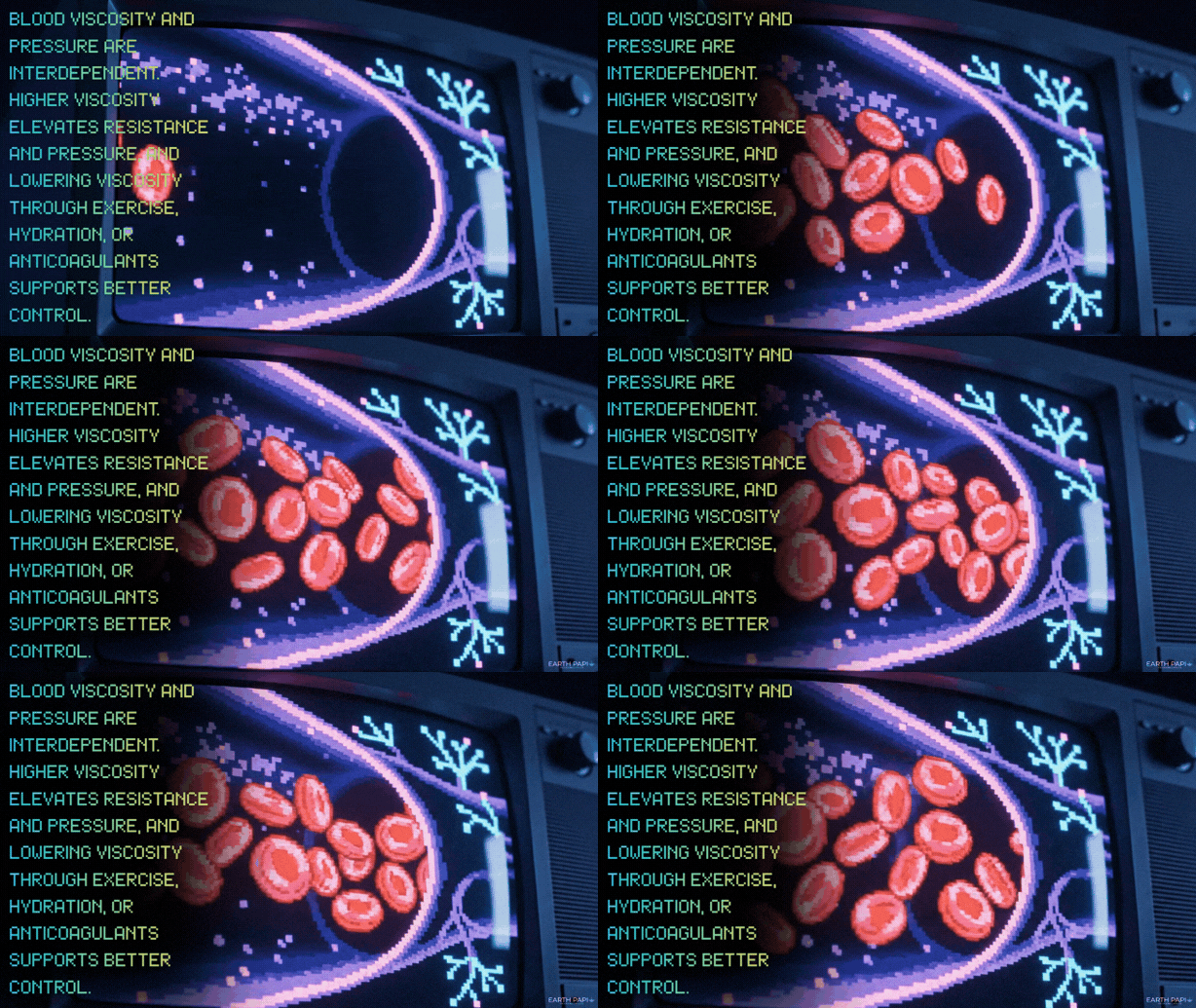
Blood viscosity and blood pressure influence one another. Higher viscosity increases peripheral resistance, raising pressure, while elevated pressure can further alter red blood cell behavior and plasma flow properties. Clinical strategies that lower viscosity, such as exercise, hydration, and anticoagulant therapy, are consistently associated with improved blood pressure control.
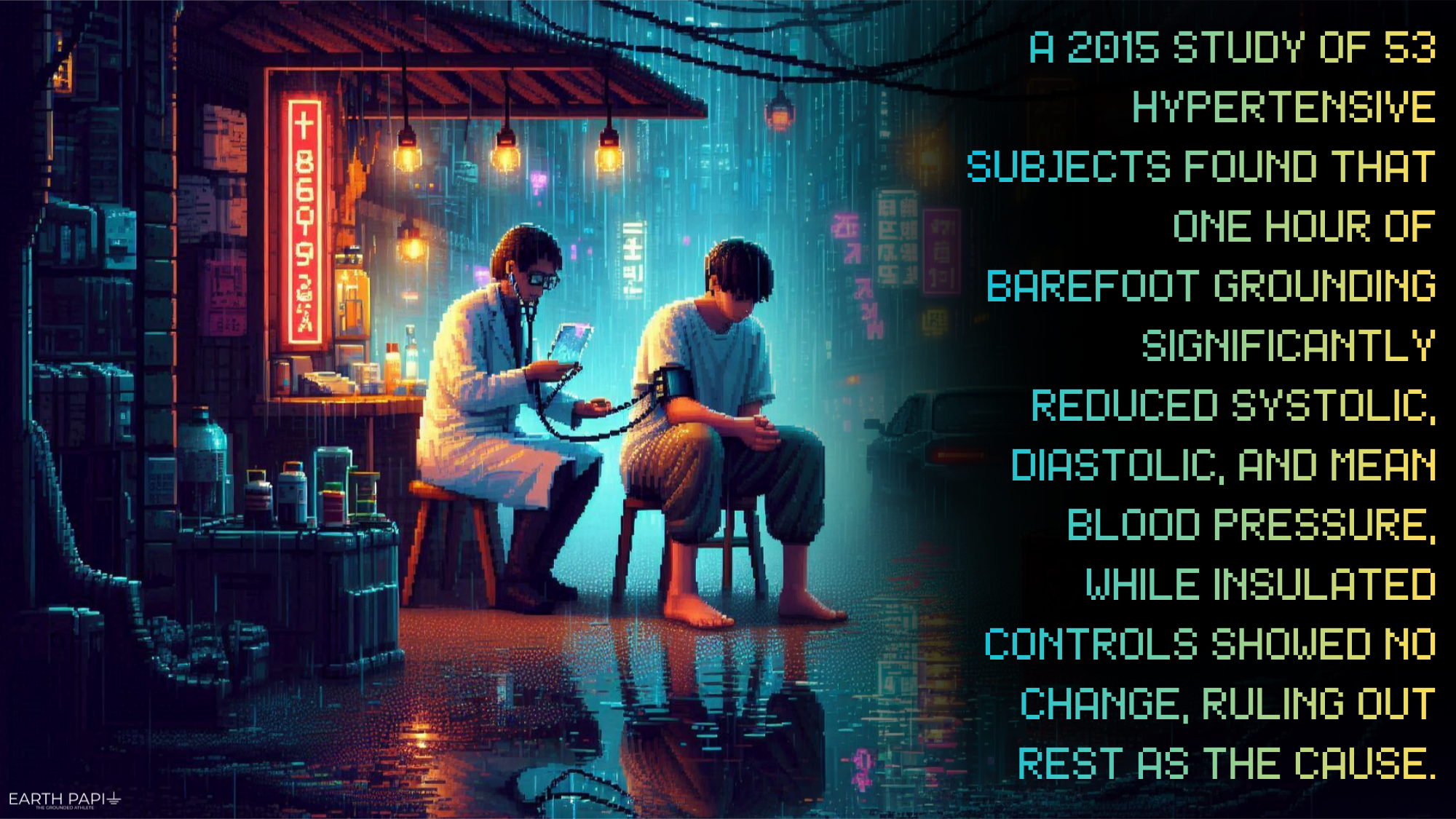
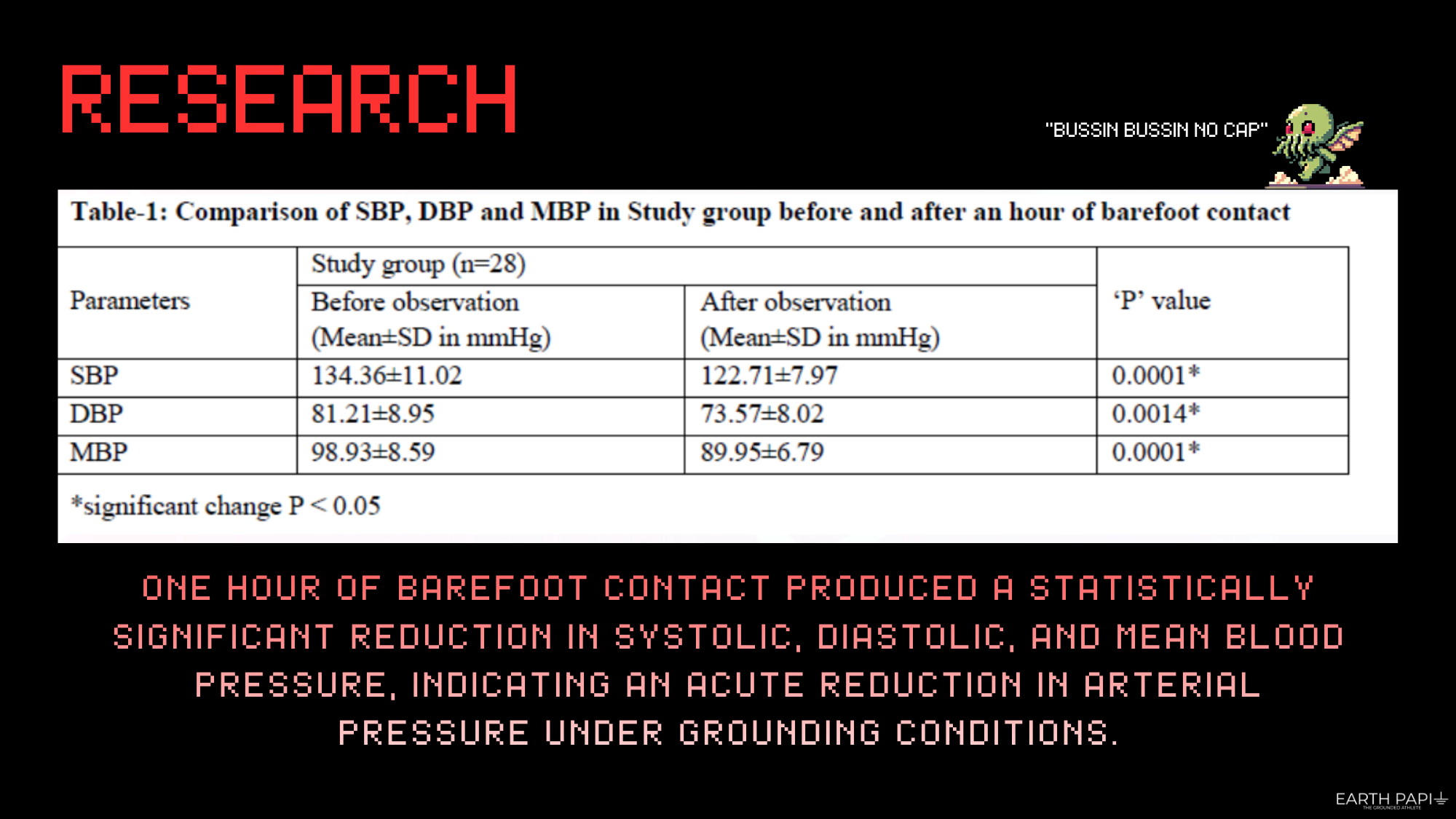
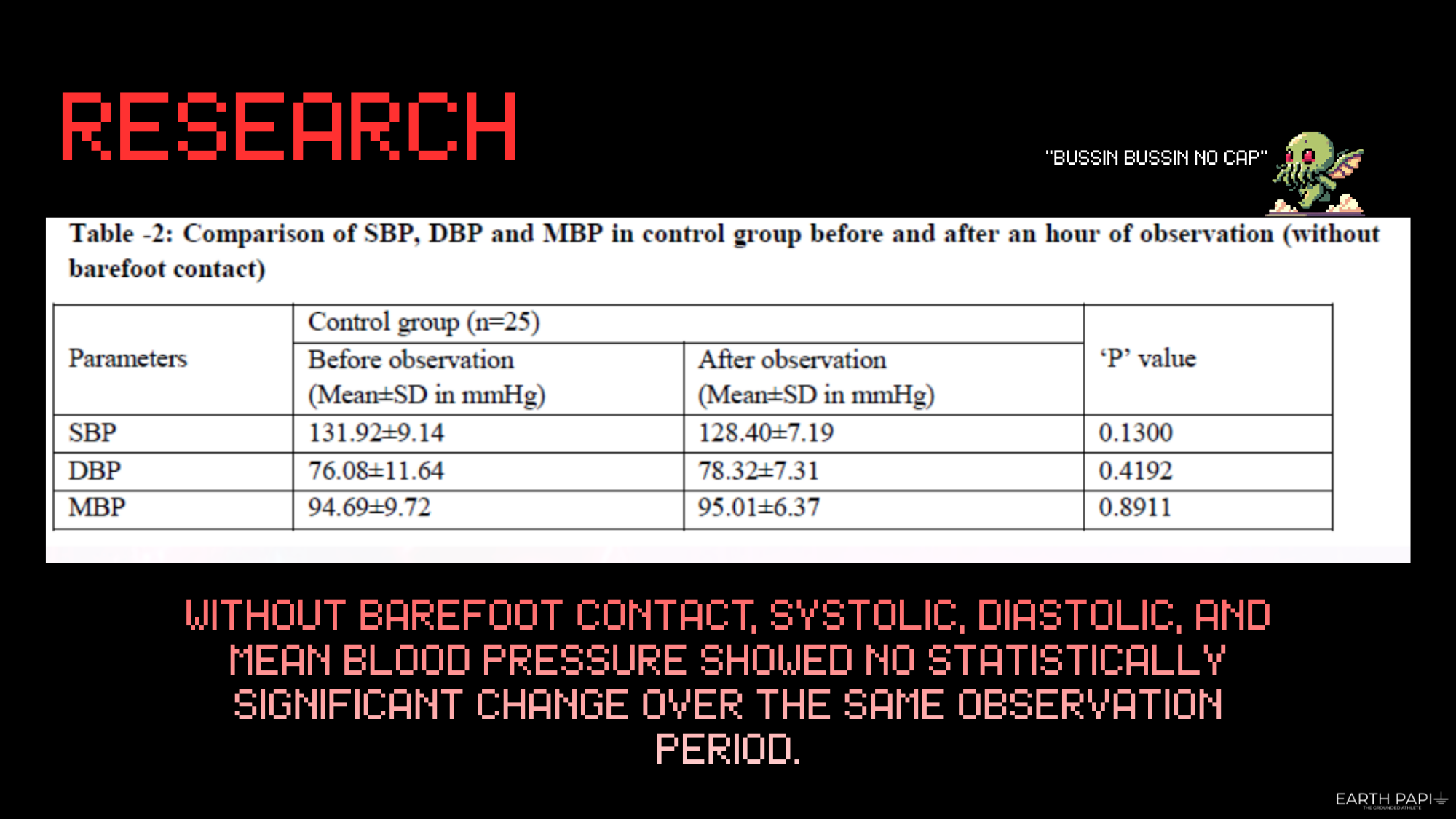
In 2015, a physiology study in India provided the first direct evidence that grounding influences blood pressure in hypertensive individuals. Fifty-three participants were divided into grounded and control groups. The grounded group sat barefoot on natural ground for one hour, while controls remained insulated. Before grounding, both groups showed similarly elevated systolic, diastolic, and mean blood pressure. After one hour, the grounded group exhibited significant reductions across all blood pressure measures, while the control group showed no meaningful change. Rest alone could not account for the difference, as both groups were seated under identical conditions.
A second investigation in 2018 extended these findings over a longer time scale. Ten hypertensive individuals practiced grounding daily for 10–12 hours using grounding sheets and mats over four months. Across the group, systolic blood pressure decreased by an average of 14.3%, with individual reductions ranging from 8.6% to 22.7%. These improvements were consistent despite differences in age, diet, exercise habits, and disease severity.

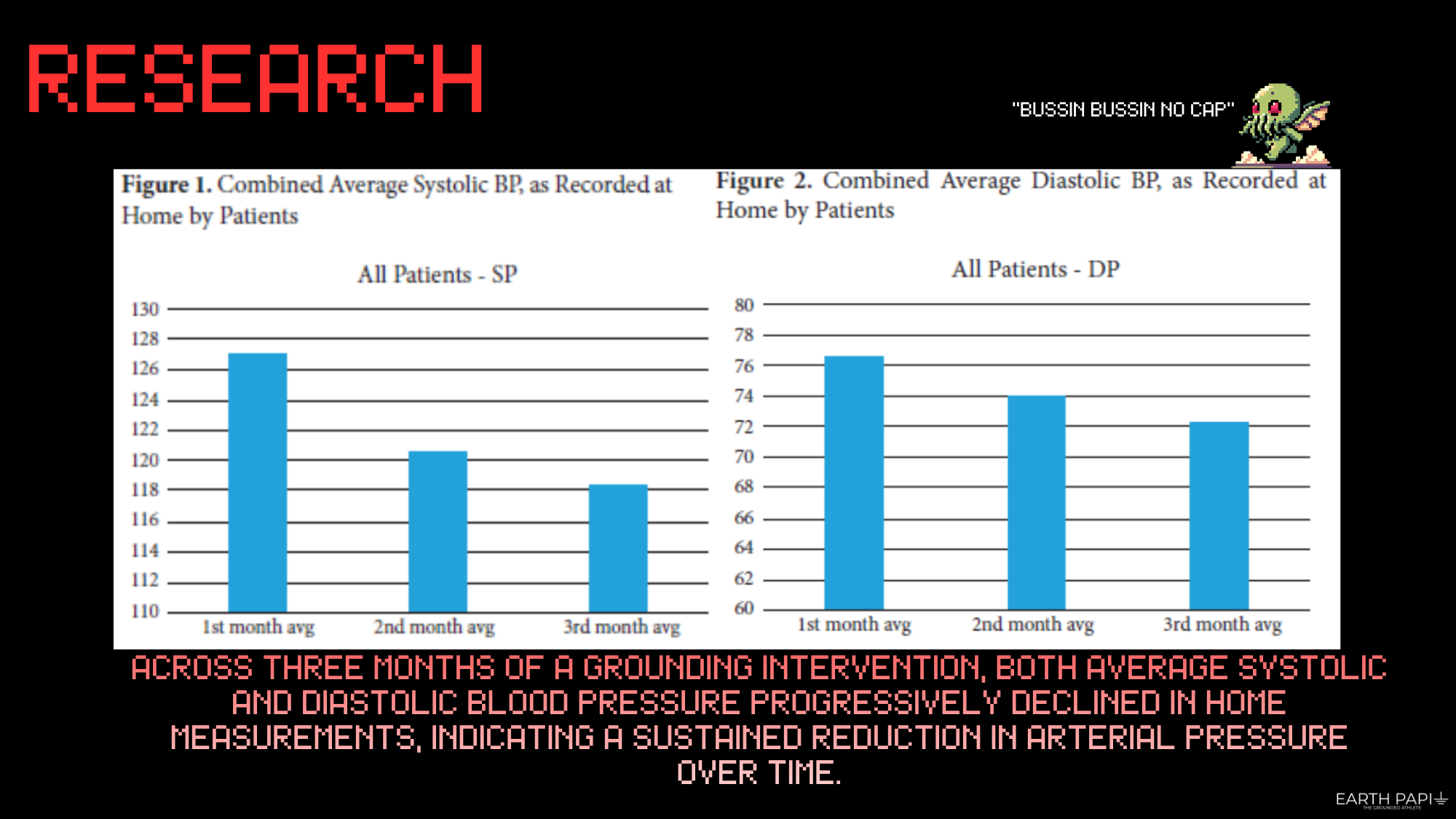
The authors proposed several contributing mechanisms, including improved autonomic regulation, reduced cortisol, lower inflammation, and improved sleep. However, a recurring theme across grounding research is altered blood flow dynamics. Grounding has been shown to increase red blood cell zeta potential, reduce aggregation, and lower blood viscosity, all of which directly reduce vascular resistance.
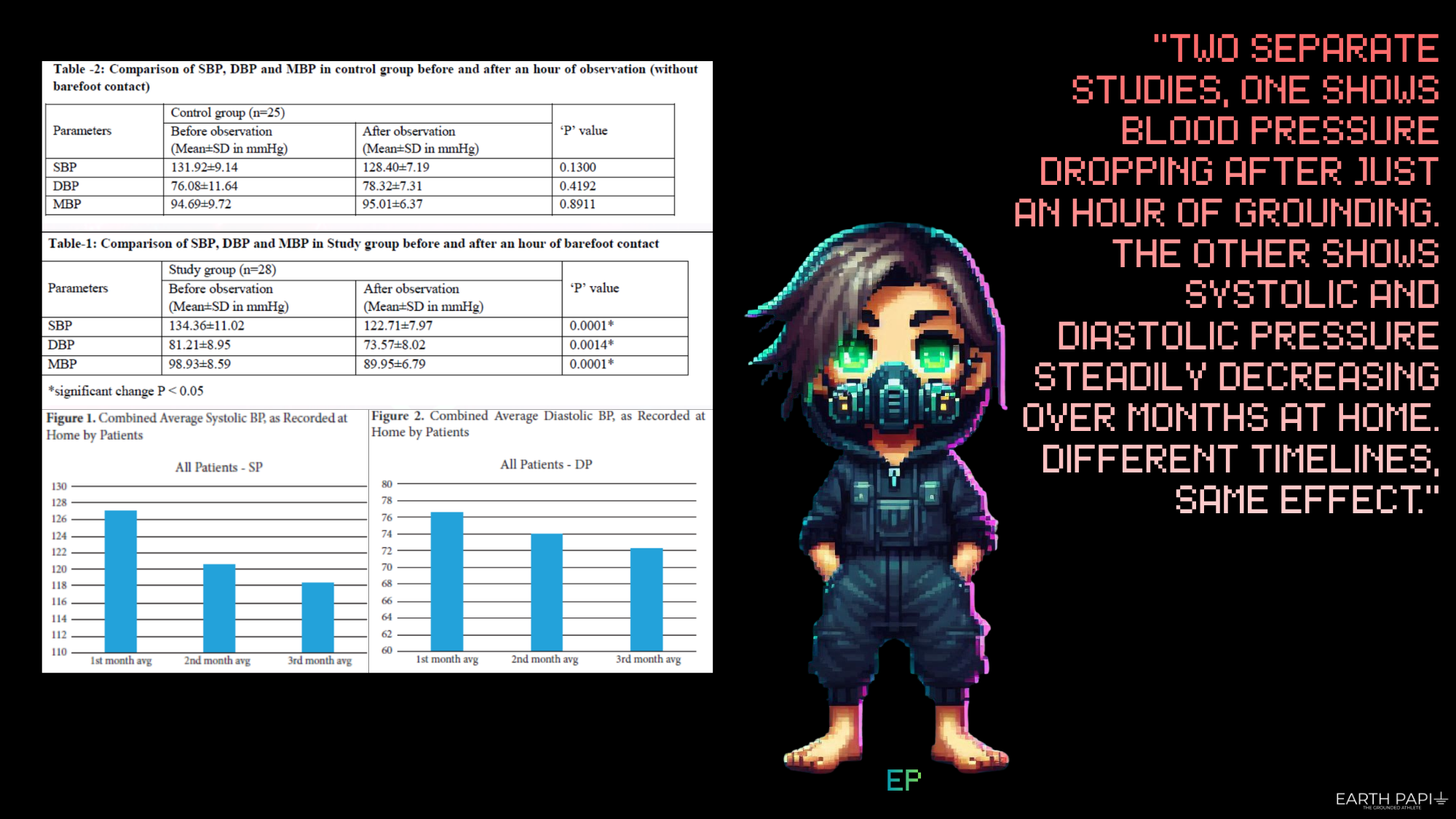
Both of these studies suggest that grounding affects blood pressure not only through neural pathways, but through fundamental changes in blood flow itself. Whatever the exact combination of mechanisms, one conclusion is difficult to avoid.. grounding produces measurable, repeatable changes in how blood moves through the cardiovascular system.

Further Reading:
Letcher RL, Chien S, Pickering TG, Sealey JE, Laragh JH. Direct relationship between blood pressure and blood viscosity in normal and hypertensive subjects. Role of fibrinogen and concentration. Am J Med. 1981 Jun;70(6):1195-1202. doi: 10.1016/0002-9343(81)90827-5. PMID: 7234890.
World Health Organization. (2021, September 1). Hypertension. Fact Sheet. https://www.who.int/news-room/fact-sheets/detail/hypertension
Centers for Disease Control and Prevention. (2022, January 25). High blood pressure facts. https://www.cdc.gov/bloodpressure/facts.htm
S Teli, S., Velou M, S., L, P., & D, D. (2015). An experimental Study on immediate effect of direct barefoot contact with earth on prehypertension. International Journal of Medical Research and Review, 3(8), 836-840. https://doi.org/10.17511/ijmrr.2015.i8.157
Elkin HK, Winter A. Grounding Patients With Hypertension Improves Blood Pressure: A Case History Series Study. Altern Ther Health Med. 2018 Nov;24(6):46-50. PMID: 30982019.